
What We Learnt from the Women's Euros ESG Report
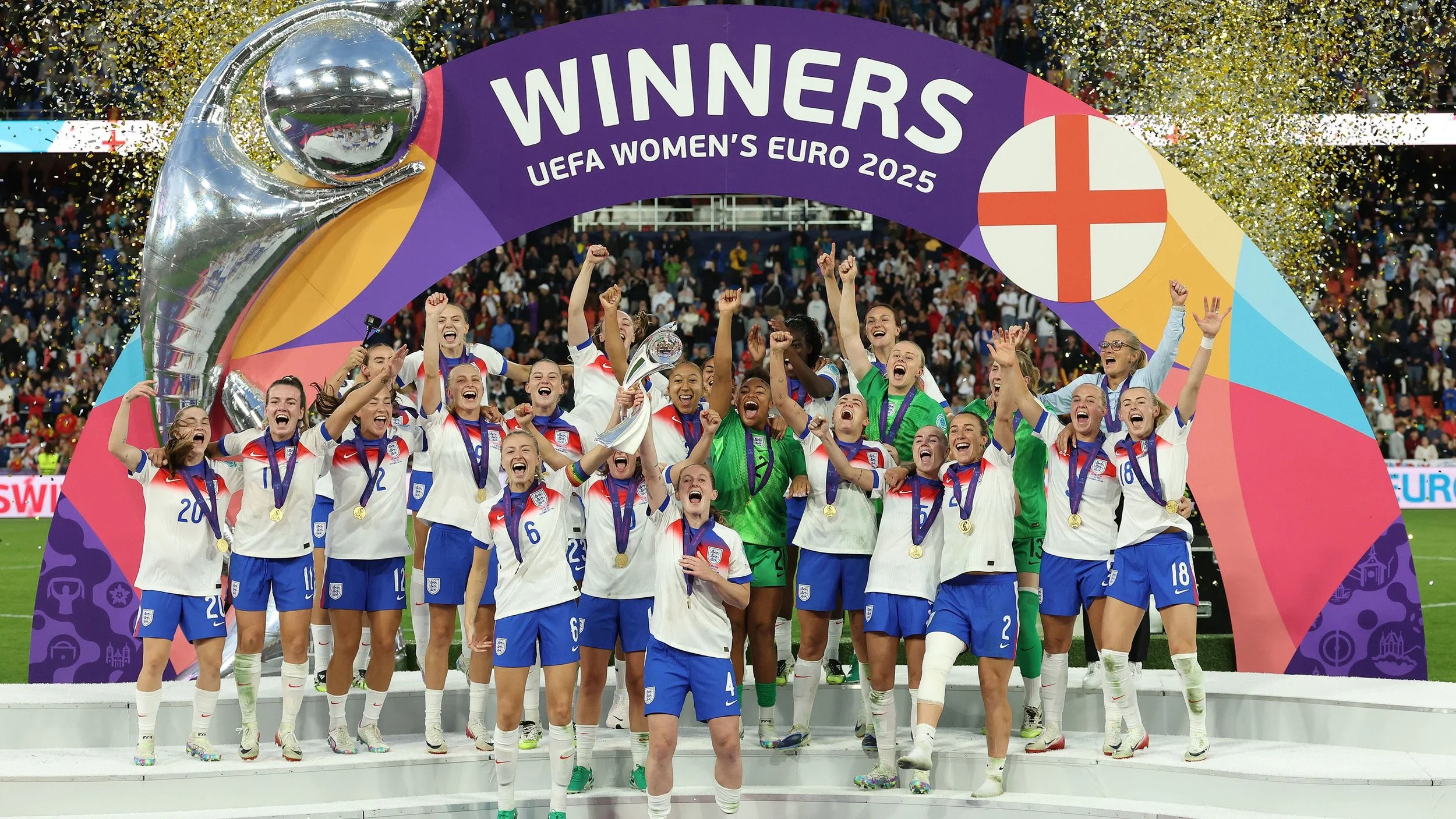
The 2025 Women’s Euros saw football “come home” once again for the Lionesses in a historic and emotional victory - and UEFA’s newly released ESG report reveals a landmark achievement in embedding social and environmental responsibility into one of the world’s fastest-growing sporting events. The competition delivered meaningful progress across three priority areas: Climate Action, Sustainable Infrastructure, and the Circular Economy.
As UEFA’s largest-ever women’s competition, the tournament became a living example of how football can be a powerful force for positive impact. From upcycled venue materials to inclusive design and transparent collaboration with local communities, the event raised expectations for what global sporting events can and should look like. Some standout achievements included:
87% of ticket holders used sustainable transport methods
1,383 accessibility tickets were sold
100% of stadiums operated with at least partial renewable energy
100% of stadiums were equipped with walking and cycling lanes
0% of tournament waste went to landfill
These headline figures were made possible by thoughtful planning and innovative initiatives rolled out long before fans stepped through the turnstiles. One of the most impactful programs was the ‘combined ticket’ initiative, which granted all match-ticket holders free travel across Switzerland on game days. An impressive 66% of attendees made use of this offer, significantly reducing congestion, emissions, and the tournament’s overall carbon footprint. When combined with the 120,000 fans who chose to walk or cycle to matches, sustainable travel use rose to an outstanding 87%.
Behind the scenes, the tournament’s commitment to the 4Rs (reduce, reuse, recycle, recover) was similarly ambitious. Each venue managed between four and seven separate waste streams, ensuring materials were properly sorted, recycled, or repurposed. Equally, all venues had concessions offering vegetarian and vegan products.
Women’s football is steadily emerging as a major driver of social and environmental progress. The 2025 Women’s Euros showcased not only outstanding athletic talent but also a groundbreaking commitment to sustainability, proving that football can be a catalyst for a greener, more inclusive future.